

letter five: threads
golden threads, datura and what it can teach us, the lost meditation of craft

a little housekeeping…
hello everyone!
another month, another FRITH. the more I put together these little containers full of inspiration, of love, the more I want to create them..
that being said, I have a couple of fun and exciting announcements:
꩜ my Patreon page is a recent development now available to you if you are interested. for anywhere from $4-$13 a month, you can support FRITH and get access to more, very lovingly put together content. it acts as an extension — with each new substack letter, comes a Patreon exclusive playlist, somatic practice, resources to dig deeper into the FRITH theme for that particular letter, herbal monographs, monthly care packages, and more.
⚘ FRITH is my passion project, a labor of love, but my Patreon is a glimpse into my world — it’s the nitty gritty, the unfiltered. it would mean a lot to me if you checked it out <3
꩜ gentle reminder, most anytime you see a bold and italicized word, it’s a hyperlink to send you further into a given subject ꩜
for you to listen, while reading
To Cy & Lee: Instrumentals Vol. 1, by Alabaster dePlume
“It’s not often that an album catches you off guard and rushes you back to the past. There is something about Alabaster dePlume’s latest release, To Cy & Lee: Instrumentals Vol.1, that transports you back to your youth. Perhaps it’s something to do with its delicate folk melodies, hazily reminiscent of a particular Fleet Foxes album. Or maybe it’s because we are living in a time of firsts, when the world seems so fractured and fragmented. DePlume’s album represents a desired calm, each song wandering smoothly, almost like an interlude, into the next.
Before moving to London, Alabaster dePlume worked with a charity, Ordinary Lifestyles in Manchester, which gave birth to this release, To Cy & Lee. The album itself is based on two men, Cy and Lee, who both have learning difficulties. DePlume worked with them, composing music as part of their time together in an attempt to help them socialise and communicate with one another. He finds that music is a means of expression. Something that can act as a form of communication, especially for those who, in many ways, are denied it.”
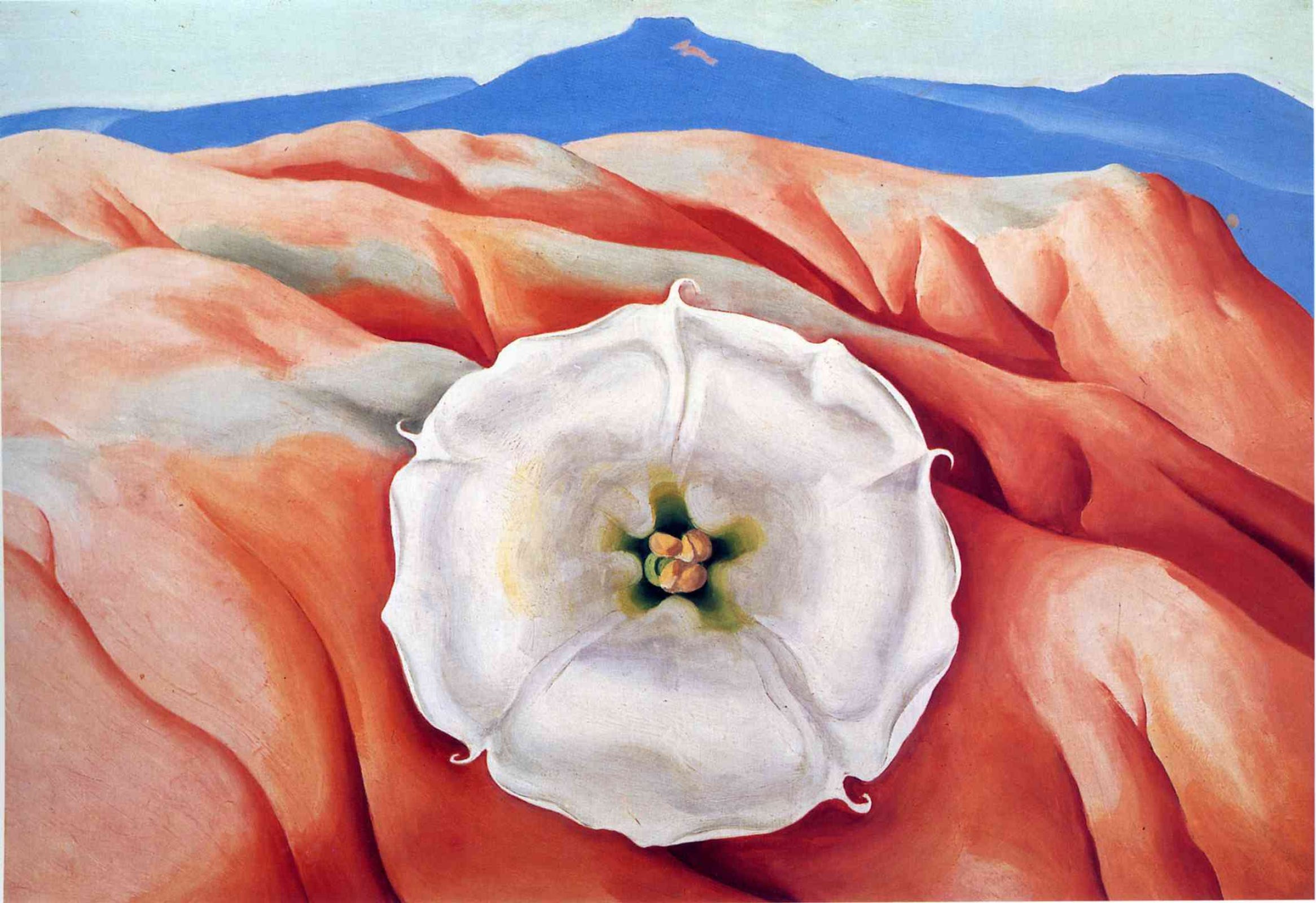
Georgia O'Keeffe, Datura and Pedernal (table mountain), 1940
“Nobody sees a flower–really–it is so small–we haven’t time–and to see takes time like to have a friend takes time.”
sound on for soothing nature sounds while you watch this little guy work his magic.
lately, I’ve been infatuated with fiber arts. more particularly, I’ve been infatuated with the process of creating fiber art from beginning to end. the foraging of material, spinning of thread, the patterns of knitting and weaving them together. as with everything, my brain immediately jumps to where this was and is modeled in the natural world, and how that’s reflected in small and large ways all over. how might we be weaving and knitting even if we aren’t actually practicing fiber arts with our hands?
naturally, I’ve begun to teach myself to knit. with every push, loop, pull under, and off, my thoughts slow and my breathing steadies as if I were in meditation. the practice begs many important questions, specifically regarding the work we do to pay for our threads, and how we spend our time worried about outside factors in order to try and feel content on the inside. it makes me curious, if the work we do directly creates the things we need (think knitting, gardening, wood-working, etc., practices that have been hobby-ized and turned into something you do only when you have time), how many people would feel contentment on a more regular basis?
with the ease of a google scholar search, I came to found out that I’m not the first to have noticed these effects—there are many books and studies on the mindfulness that coexists with knitting. There are studies ranging from the impact of a knitting intervention on compassion fatigue in oncology nurses to knitting as an adjunctive treatment for substance use disorder.
“Operating within my hands, these tools demonstrate the richness of life beyond my own limited intellect. Knitting reminds me that I’m like the yarn I knit. The substance of me—carbon, water, organic matter—has been in existence for eons, way before the specific incarnation of me drew my first breath. Like a ball of wool waiting to be transformed into a sweater, I existed in some form long before I existed.”
-Bernadette Murphy, Zen and the Art of Knitting: Exploring the Links Between Knitting, Spirituality, and Creativity
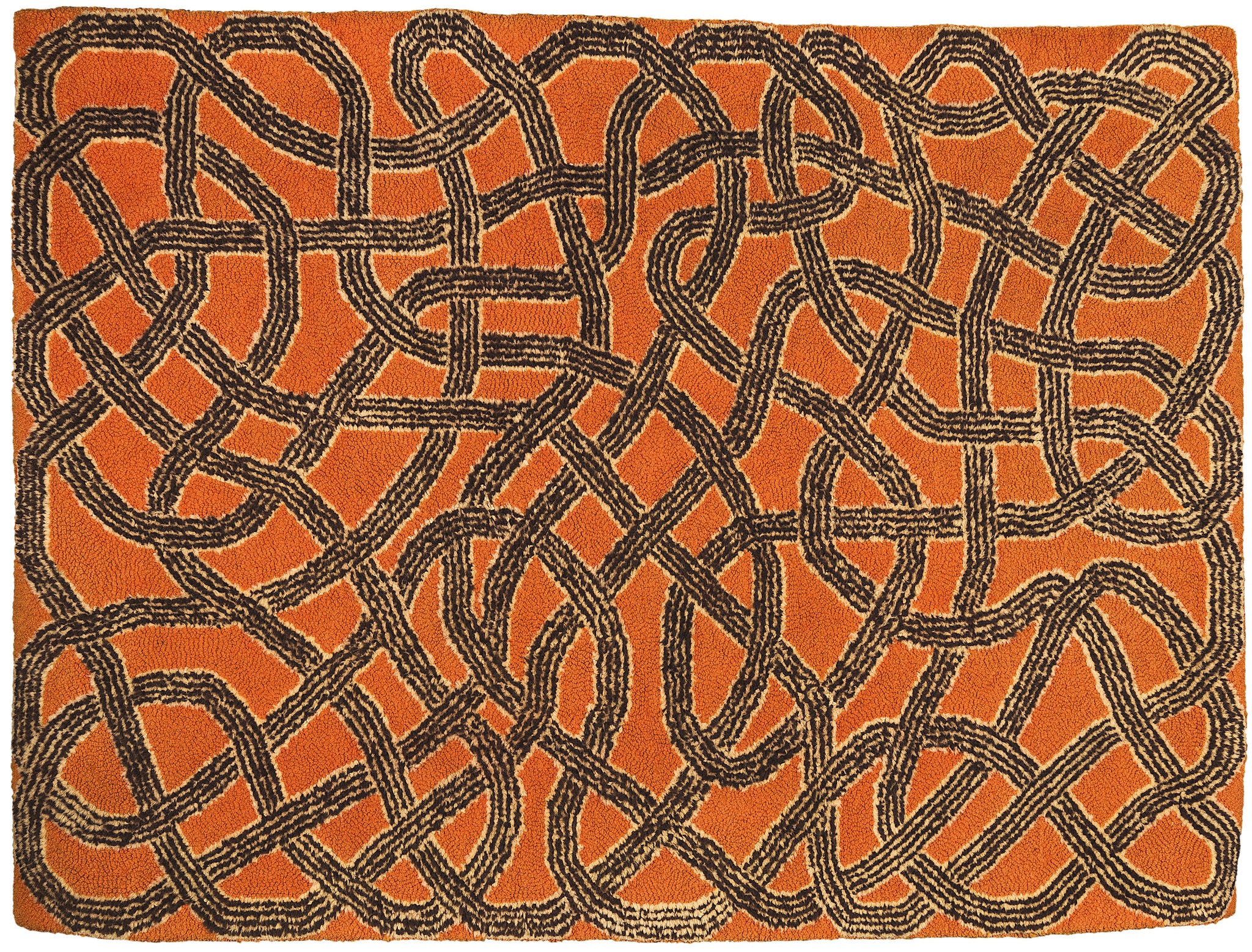
Anni Albers, handwoven wool rug, 1959
“Being creative is not so much the desire to do something as the listening to that which wants to be done: the dictation of the materials.”
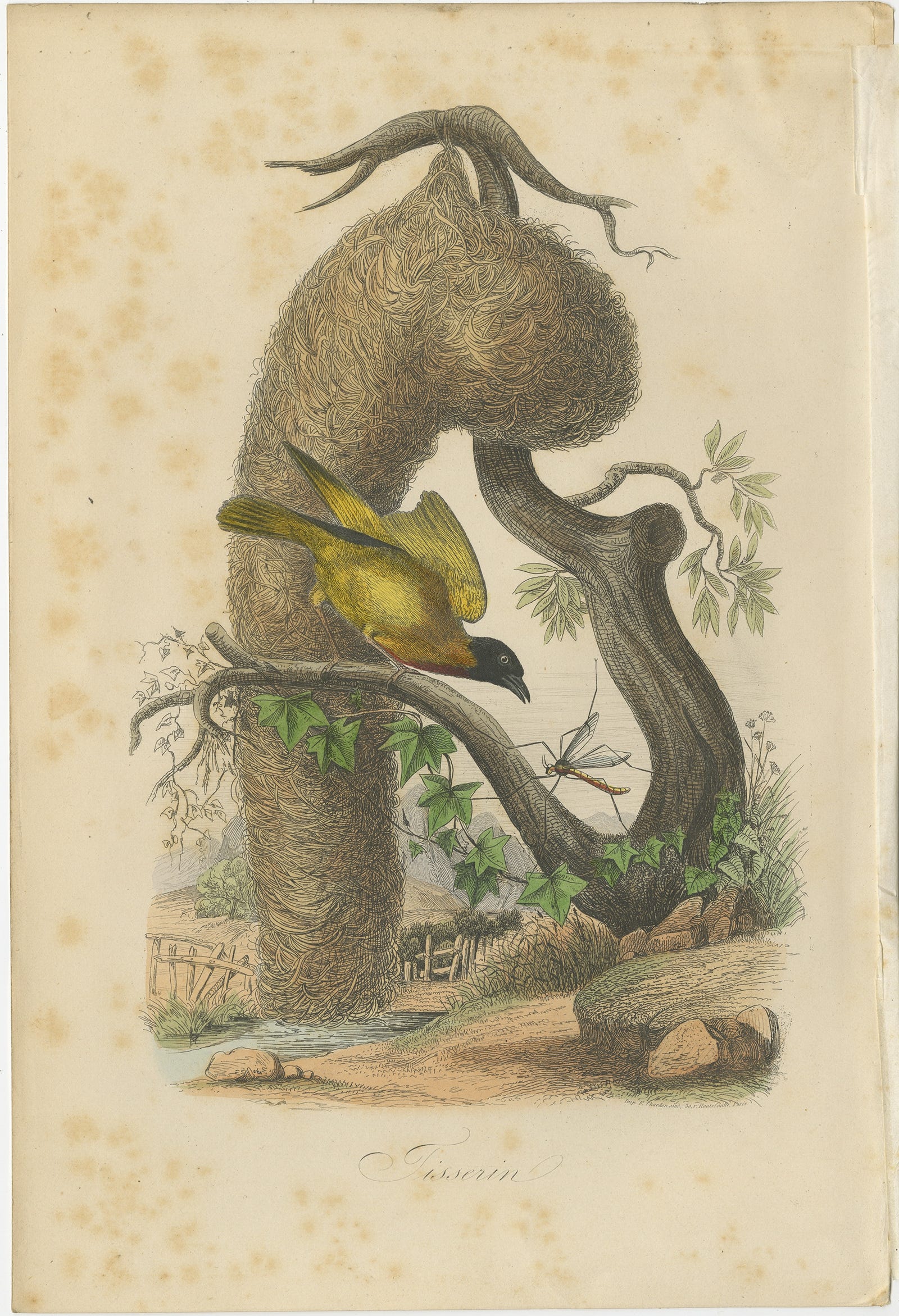
M. Achille Comte, Tisserin, 1854
the weaver bird is the only bird known to be able to tie a knot.
you can watch their whole nest weaving process in this (extremely soothing and cute) short clip of a BBC documentary.
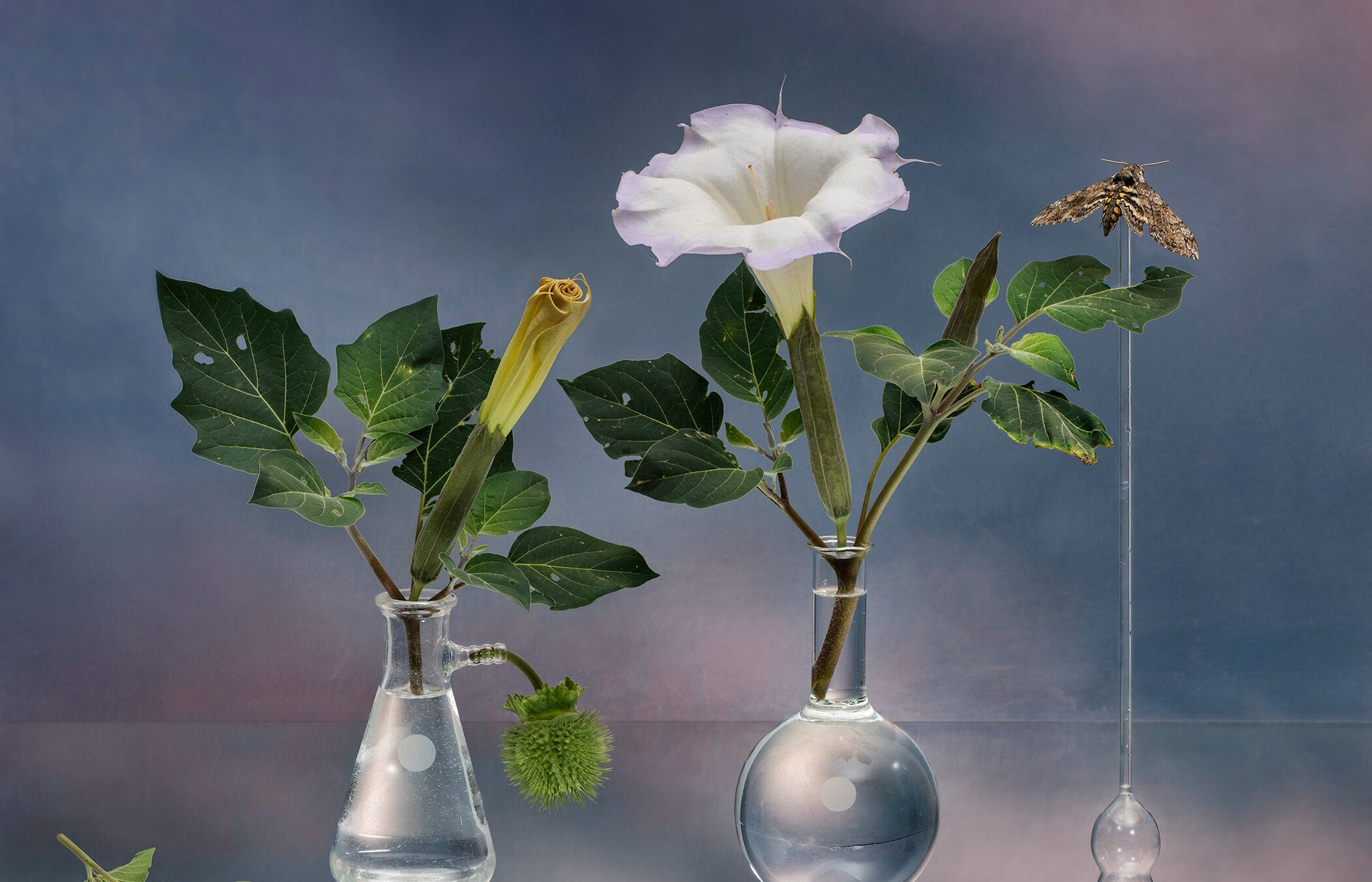
Jo Whaley, Datura Wrightii, 2018
“Chaos reigns in the history of the earth, with its cycles of creation and destruction. Yet there is solace in the staggering beauty to be found in nature.”
also known as thornapple, jimsonweed, devil’s trumpet, and moonflower, datura grows on just about every continent, and is a remarkable and imposing combination of beauty and deadliness. datura is a member of the Nightshade family; the sister of tomatoes, eggplants, tobacco, peppers, and potatoes, and her stunning, massive white flowers bloom by the moon, and close before noon the following day.
“In the past, indigenous people of the American Southwest and surrounding areas used Datura in rituals, most notably coming-of-age rituals. With expert knowledge concerning their natural resources, traditional healers prepared Datura to enhance certain effects and neutralize other effects of for use in religious and social life. For example, traditional Chumash rites of passage instruct that a boy of eight years old be given a drink, called momoy, to enhance the boy’s spiritual wellbeing required for the role of manhood. The plant was also central to the Zuni people’s relationship with rain. Powdered Datura root is used by rain priests to ensure fruitful rains, an especially necessary action in the arid Southwest. Further south among tribes in Northern Mexico and parts of Texas, Datura was used by shamans to transcend the borders of life and death and communicate with spirits. Among the Mohave, Yuma, Cahuilla, Zuni, and other cultural groups, Datura is used more generally to create and break hexes, to protect from evil, and even as a sleep and dream aid. The sacred plant is thus a deeply significant part of the Southwest’s cultural history.”
naturally, as with my infatuation with the fiber arts, I found a datura plant somewhat in my area and drove an hour to the countryside to pick it up from a sweet woman with a thick country twang. we met at the local Burger King, and she arrived on a bicycle. she had the plant, fresh out of the ground, in two plastic grocery bags, and it drooped in the summer heat. as quickly as I could pay her my crumpled cash, I ran to the nearest garden center for soil and a big pot, and potted it in the parking lot. gruff men in neon t-shirts looked at me crazily while I frantically poured my green, glass bottle of spring water (for drinking) into the pot to get the plant settled.
its roots are thick and strong, and its leaves are soft and velvety. as deadly and deliriant as it may be, it’s a plant that evokes feelings of safety. it sits on my back door stoop, in the little bit of shade that my Tennessee backyard gets.
this month’s patron-exclusive herbal monograph for spiral level patrons will be on datura.
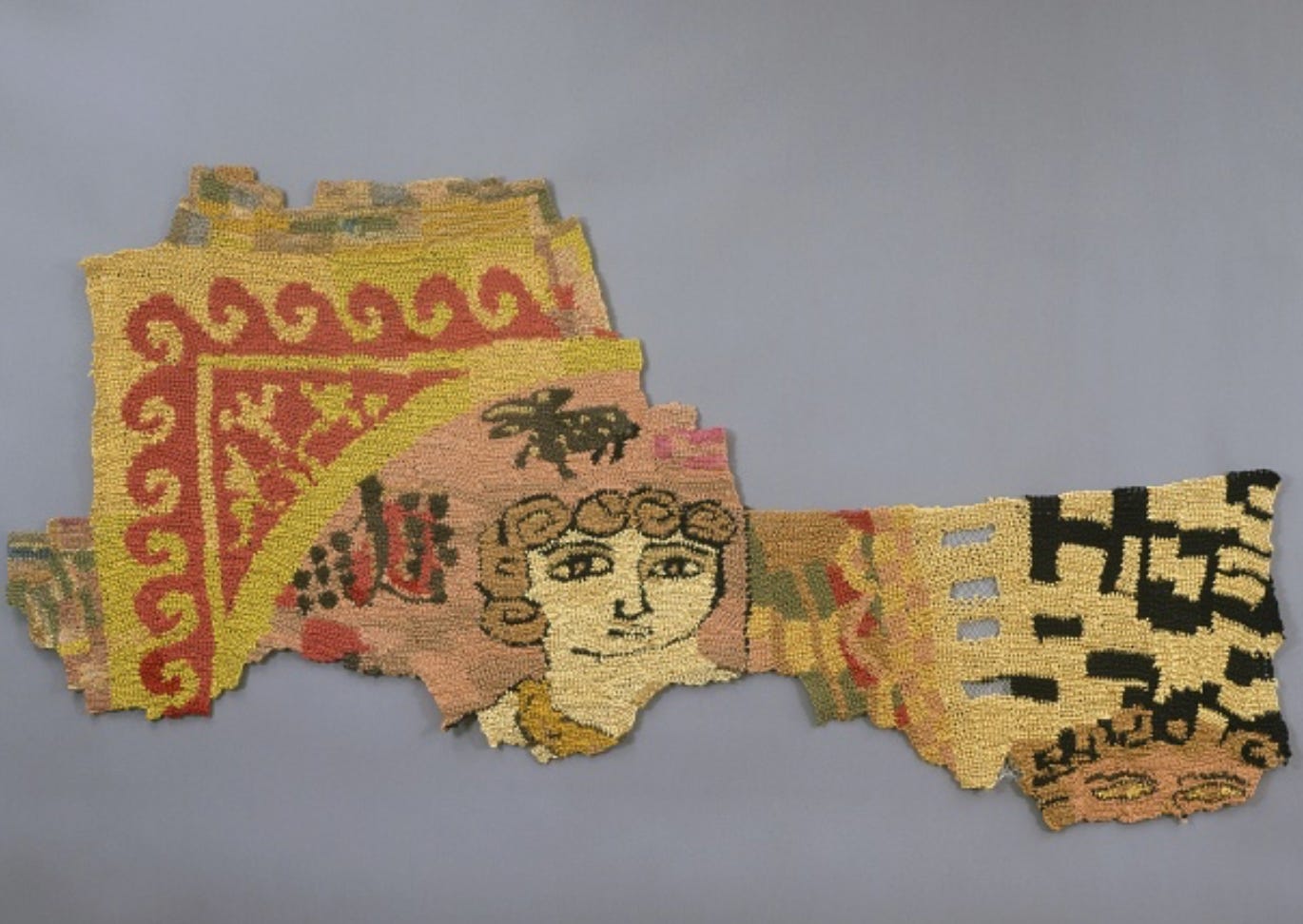
Ed Rossbach, Young Hercules, 1967
and with that, and a tune (below) I’ll send you off!
seek shade and rise early to listen to the birds before work this week.
lots of love,
Morgan